
Many small and mid-sized businesses still treat packaging as a final checkbox rather than a brand asset. They nail the product, sort out pricing, then scramble to slap a label on before launch. That's a missed opportunity, and often an expensive one.
This guide covers what packaging design actually involves, the essential elements every package needs, a repeatable 7-step design process, current trends worth watching, and how packaging fits into the bigger picture of brand consistency across every surface your customer sees.
Key Takeaways
- Packaging influences purchase decisions through visual appeal and the brand experience it creates
- Effective design balances one clear message with legal compliance and shelf-level durability
- A structured 7-step process, from research to production, cuts costly reprints and rejected packaging
- Sustainability now shapes purchase decisions almost as much as price or shelf life
- Brand consistency should extend from packaging into signage, vehicles, and other physical touchpoints
What Is Packaging Design and Why It Matters for Your Brand
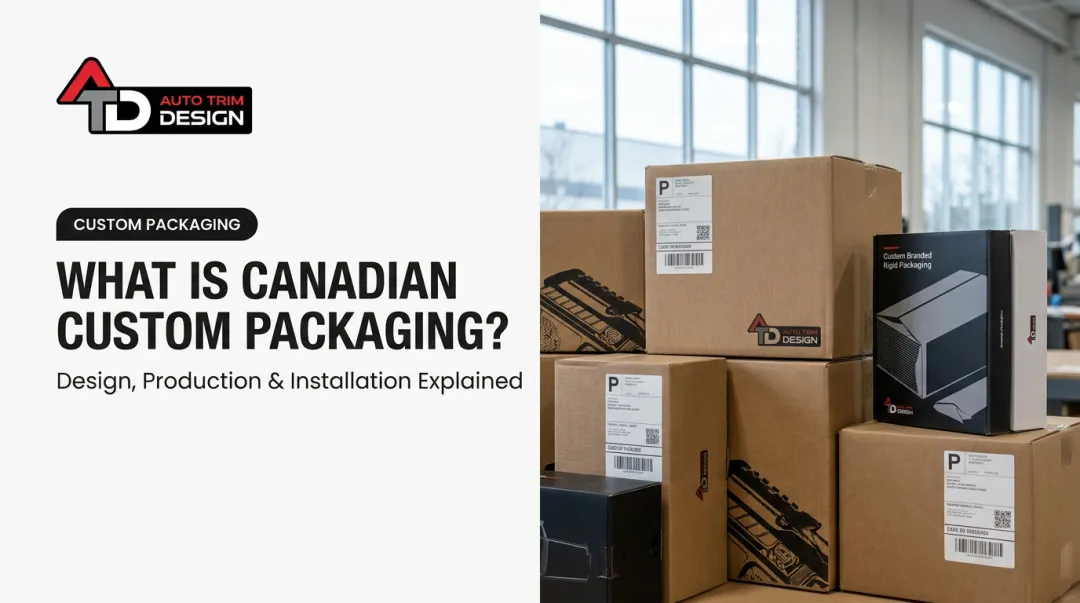
Packaging design is the strategic and creative process of shaping a product's materials, structure, colors, typography, and messaging. It has two jobs at once: protect what's inside and tell customers what they're buying before they've read a single word.
This isn't just aesthetic polish. A 2025 peer-reviewed study of nearly 500 consumers found that visual packaging elements had a measurable direct effect on purchase intention, with an even larger indirect effect through the brand experience the packaging created.
In other words, good design doesn't just catch the eye. It builds trust before the customer even opens the box.
That trust depends on consistent branding. Every box, label, and pouch carries your logo, color palette, and typography into the world. Get one product's packaging wrong, and it undercuts the recognition you've built everywhere else.
The Balancing Act
Good packaging design juggles several priorities simultaneously:
- Protection — surviving shipping, shelving, and handling without damage
- Communication — conveying key benefits in limited visual space
- Emotional connection — making the buyer feel something before they even open it
- Compliance — meeting labeling and safety requirements for the category
Sustainability Isn't Optional Anymore
Eco-conscious packaging has moved from "nice to have" to expected. McKinsey's 2025 survey of more than 11,000 consumers across 11 countries found that 51% rated packaging's environmental impact as extremely or very important, though food safety and shelf life still rank higher for most buyers.
Recyclability, specifically, was the leading sustainability factor in every country surveyed.
The takeaway: sustainability supports a purchase decision, but it rarely overrides basic functionality. Design for both.
Essential Elements of Effective Packaging Design
Every strong package rests on five pillars. Miss one, and the whole design suffers, even if the others are executed well.
Visual Presentation
Color, typography, and imagery work together to guide the eye. Color associations are contextual rather than universal — a shade that feels premium in one category might feel cheap in another.
Typography hierarchy matters more than font choice alone: readability and scalability should win over cleverness every time. If your product name is illegible at arm's length, the typeface has failed.
Structure and Materials
The container itself communicates as much as the graphics on it. Consider:
- Resealable pouches for snacks or products used over multiple sessions
- Cushioned inserts for fragile items like glassware or electronics
- Rigid boxes for premium positioning
- Custom shapes that stand out on a crowded shelf
The right structure depends on product fragility, budget, and how the item will actually be used after purchase.
Information Architecture
Packaging should lead with one core message (the key benefit or tagline) supported by 2-3 secondary details like usage instructions or certifications. Cramming ten selling points onto a label defeats the purpose. Shoppers scan; they don't read.
Emotional and Sensory Resonance
Texture and finish create a physical relationship with the product before it's even used. Matte versus gloss, embossing, soft-touch coatings: these details shape perceived quality. A well-told brand story on the back panel can turn a one-time buyer into a repeat customer.
Legal and Functional Requirements
This is where good-looking designs sometimes fail. Required elements vary by category and region, but commonly include:
- Barcodes and batch codes
- Ingredient and nutrition information (food products)
- Bilingual labeling requirements (mandatory for prepackaged food sold in Canada, per CFIA rules)
- Net quantity and manufacturer identification
Skipping this step doesn't just risk fines. It can mean pulled inventory and reprinted packaging on your dime.

The 7-Step Packaging Design Process
If you've ever searched "what are the basic steps to packaging design," here's the repeatable framework professional designers actually use.
Step 1: Research Your Product, Audience, and Competitors
Understand the product's physical requirements (weight, fragility, shelf life), your target buyer's demographics, and how competitors are packaging similar products. Pull 3-5 competing packages off the shelf or from online listings and study them side by side.
Step 2: Define Your Core Message and Brand Requirements
Gather your brand assets — logo files, Pantone or CMYK codes, approved fonts — and decide the single most important message the packaging needs to communicate. Everything else is secondary.
Step 3: Sketch and Brainstorm Concepts
Generate multiple rough sketches or mood boards before committing to one direction. This is the cheapest stage to explore ideas; don't skip straight to final art.
Step 4: Choose Materials and Structure
Budget, sustainability goals, and product fragility determine whether you land on boxes, pouches, bottles, or a custom-shaped container. This decision also affects your production timeline and cost per unit.
Step 5: Develop Digital Designs and Prototypes
Move from sketches into design software to build print-ready mockups, then create physical or 3D prototypes to test how the design actually holds up in hand.
Step 6: Test, Gather Feedback, and Refine
Run the design past internal stakeholders and outside testers. The goal: confirm the product's purpose and audience are obvious within a few seconds, without an explanation.
Step 7: Finalize Files and Prepare for Production
Before sending anything to print, verify:
- Confirm dielines account for all cuts and folds
- Format vector files correctly (AI, EPS, or PDF)
- Match bleed and trim settings to your printer's specifications
- Compare colour codes against physical proofs, not just screen previews
Skipping this step is where most costly reprints happen.

Packaging Design Trends and Common Mistakes to Avoid
Trends Shaping Packaging Today
Packaging design in 2025 leans toward:
- Expressive, artful visual identity: bolder colours and stronger personality replacing minimalist sameness
- Sustainable and refill formats: particularly in beauty and spirits categories, though refill components aren't always recyclable themselves
- Interactive elements: QR codes linking to extended content, with 79% of surveyed consumers more likely to buy when a scannable code offered additional product information
- 2D barcode migration: the retail industry is gradually shifting from 1D UPCs toward data-rich codes
Common Packaging Design Mistakes
Even experienced brands trip on these:
- Low-resolution images that look sharp on screen but print blurry
- Missing legal information: a compliance check should happen separately from the visual design review
- On-screen colours that don't translate to print: RGB and CMYK don't always match without proper profiling
- Overcrowded layouts with too many competing messages fighting for attention
Working with an experienced packaging partner, such as Auto Trim DESIGN's custom packaging design team, helps catch these issues before they reach print. Always test the flat design folded, filled, and shelved next to competitors before finalizing. A layout that looks perfect on a monitor can fall apart once it's a physical object competing for attention.
From Packaging to a Fully Consistent Brand Identity
Packaging is one touchpoint. Real brand recognition comes from consistency across every physical surface a customer encounters — vehicles, signage, storefronts, even interior walls.
Businesses scaling from a single location to national distribution face the same challenge with packaging that they do with fleet branding: exact colour-matching and quality control, repeated flawlessly across every unit and every location.
A logo that's slightly off-shade on one truck, or one box in a shipment, chips away at the polished image you've worked to build.
This is where a full-service branding partner earns its keep. Auto Trim DESIGN has spent over 41 years helping Canadian businesses maintain that consistency. As a certified 3M Platinum Select Fabricator, the company applies the same rigorous colour-matching and quality standards across every format:
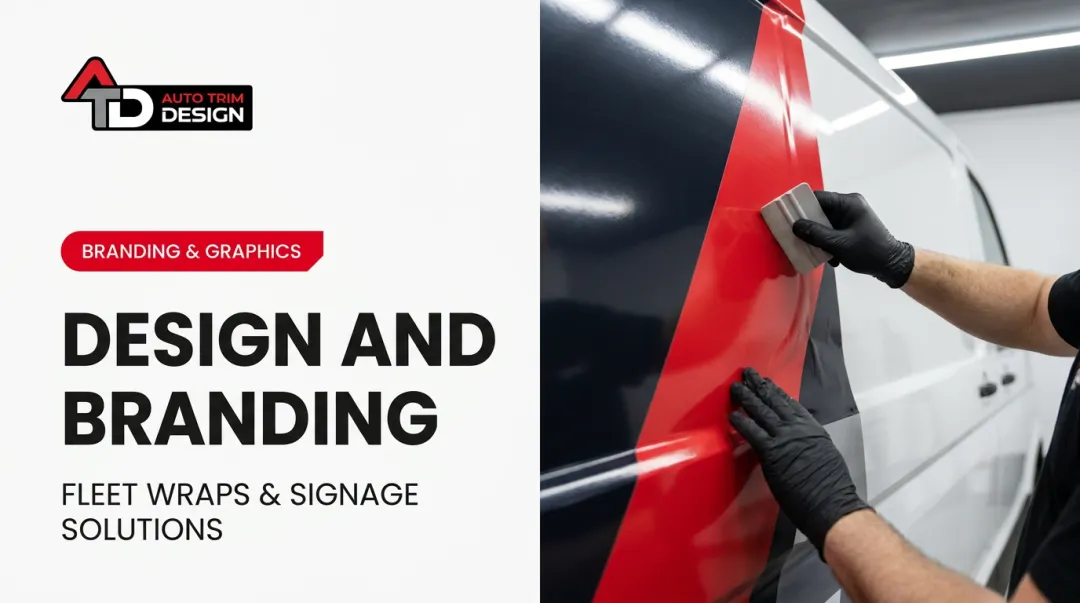
- Vehicle wraps for fleets ranging from a single truck to national rollouts
- Wall murals and architectural finishes for offices and retail spaces
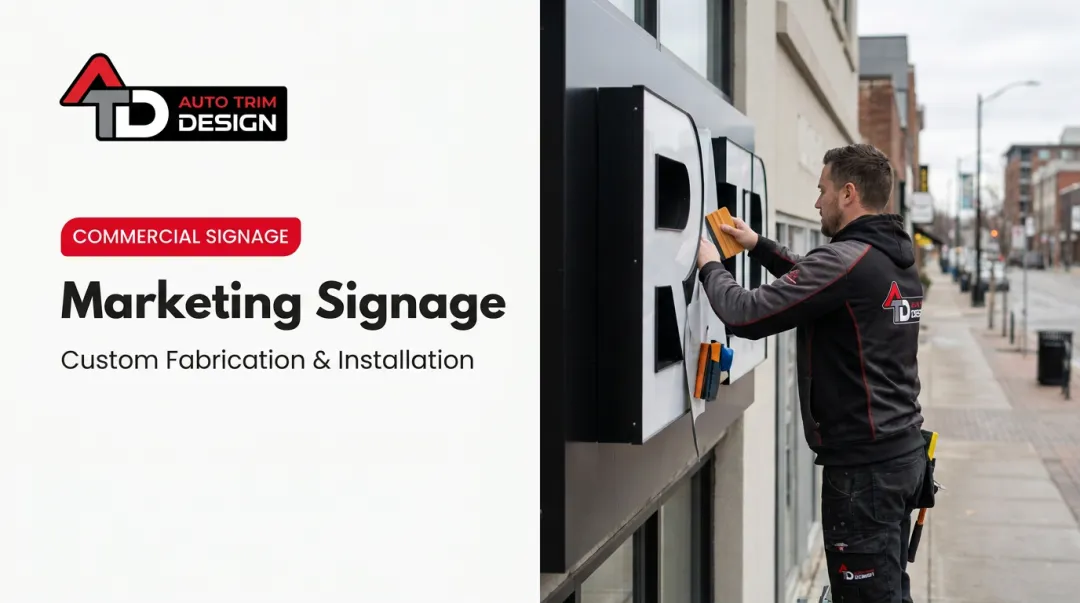
- Storefront and interior signage built to match brand guidelines exactly
For businesses managing identity across a single storefront or a fleet stretching from Vancouver Island to Newfoundland, working with a partner who understands precision at scale makes the difference. A consistent brand looks intentional; a mismatched one looks assembled from spare parts.

Frequently Asked Questions
How much do designers charge for packaging design?
Costs vary widely based on scope. Templated label work might run a few hundred dollars, while custom structural packaging with prototypes and multiple SKUs (stock keeping units) can reach several thousand. Always request a quote based on your specific project.
What are the 7 basic steps to packaging design?
Research, define your core message, sketch concepts, choose materials and structure, develop digital designs and prototypes, test and refine, then finalize production files. Each stage reduces the risk of costly errors later.
What does a packaging designer do?
A packaging designer determines the visual look, materials, and structure of a package while balancing brand identity, product protection, and what's feasible to produce at scale.
What is the difference between packaging and design?
"Packaging" is the physical container or material itself — the box, bottle, or pouch. "Design" is the creative and strategic process of shaping how that packaging looks, functions, and communicates.
What makes packaging design effective?
Effective packaging communicates one key message clearly, reflects brand identity consistently, and balances aesthetics with practical protection and legal compliance. Miss any one of these, and the whole package underperforms.
Can I design my own packaging without hiring a professional?
For simple projects, tools like Canva or template-based platforms work fine. Complex structural packaging or a nationwide brand rollout, though, usually benefits from professional design expertise to avoid costly production mistakes.